About
A more thoughtful way to look at your health
You probably don't need more health information.
If anything, you have too much of it. Wearable data, nutrition advice, supplement recommendations, podcast clips, conflicting opinions, and medical follow-ups that leave you with more questions than when you walked in.
What most people are actually missing isn't information. It's a clear way to connect it all.
Long-term health is shaped by patterns. Sleep, movement, nutrition, stress, recovery, habits, and daily decisions all influence how you feel and function over time. When those pieces are looked at separately, it's easy to feel confused or reactive. When they're looked at together, they start to tell a more useful story.
That's what my work is built around. I help you understand your own health more clearly, so you can make better decisions and actually feel the difference over time.
What longevity coaching actually is
Longevity coaching is practical, structured guidance for people who want to improve how they feel, function, recover, and age over time.
At its best, it helps you understand the factors that shape your long-term health and then make more consistent, informed decisions around them.
Those factors usually include sleep, exercise, nutrition, stress, recovery, body composition, energy, hormone levels, metabolic health, mobility, and the way you personally respond to the demands of daily life.
My role is educational and supportive. I help organize what you're already experiencing, identify patterns, and build a plan you can realistically follow.
What I don't do is replace your doctor. I don't diagnose or treat disease. I don't take the place of physicians, specialists, or physical therapists. And I wouldn't want to either.
What I do fill is a gap that a lot of people feel but rarely talk about: the space between knowing you want to improve your health and understanding what to actually do next, in a way that fits your real life. Instead of treating one symptom at a time, we step back and look at the bigger picture, together, and in conversation with the medical professionals already in your corner.
My approach
I don't start with a formulaic protocol. I start with you.
Your routines, your health concerns, your energy patterns, your sleep, your stress load, your goals, your medical context, all of it matters. All of it shapes where we go from there. Once we have a clear picture, the work becomes more structured.
The first step is figuring out what matters most. Some people need better recovery. Some need more consistent movement. Some need a clearer read on their nutrition, or help making sense of their lab work before a physician's appointment. Most need a combination of these things.
We look at the whole picture, then narrow the focus.
My work is data-driven, but not data-obsessed. Lab results, wearable metrics, sleep data, and performance markers can all be valuable when they're interpreted in context and connected to real behavior. The goal is always to turn information into better decisions, not more complexity.
That might mean building a more sustainable exercise routine. Improving how you sleep. Identifying nutrition patterns that have been quietly working against you. Reducing stress in practical, manageable ways. Or simply feeling more prepared when you walk into your next appointment.
The process adapts to your life. That’s why it works.
The S.E.N.S. Framework
Over years of hands-on coaching in fitness, endurance sport, and long-term health, I developed a framework to organize the work.
I call it S.E.N.S. It stands for:
- Sleep
- Exercise
- Nutrition
- Stress
Four areas. Simple enough to understand and important enough to shape almost everything about how you feel, recover, and age.
These four factors are also inseparable. Poor sleep disrupts your food choices, your mood, your hormones, and your motivation to move. Chronic stress makes even a solid health plan difficult to follow. Nutrition affects energy, inflammation, body composition, and how well you recover. Exercise supports strength, mobility, metabolism, heart health, and mental clarity.
When these areas are out of balance, you feel it and often before anyone can clearly explain why.
You might feel persistently tired, mentally foggy, slower to recover than you used to be, more reliant on quick fixes just to get through the day, or simply less like yourself. That's your body communicating. Part of my job is helping you learn to read it.
Sleep
Sleep is where recovery actually happens.
Sleep is often the first area I want to look at with a new client, because poor sleep quietly undermines almost everything else, from food choices and training results to patience, focus, and long-term motivation.
The goal isn't perfect sleep. It's understanding what's getting in the way of rest, and building practical habits that support it consistently over time. That might mean looking at bedtime consistency, caffeine timing, screen habits in the evening, light exposure, alcohol use, bedroom environment, travel patterns, stress levels, or nutritional gaps.
Exercise
Exercise is one of the clearest investments you can make in your long-term health.
As we get older, strength, muscle mass, mobility, balance, and cardiovascular capacity all become more important — not for athletic performance, but for staying capable, independent, and resilient. A body that moves well and recovers well can support the life you want to keep living.
A good exercise plan should fit the person, not the other way around.
I think about exercise as a long-term system, not a short-term push. The aim is a body that stays capable day to day, whether that means lifting your grandchildren, traveling without aching, playing tennis, walking without pain, or simply having the strength to do what you enjoy.
Nutrition
This is where most people feel overwhelmed.
You've probably tried different approaches — diets, "clean eating," cutting certain foods, adding supplements — and still aren't sure what actually works for your body. That's not a personal failing. There's a lot of contradictory information out there, even misinformation, and most of it doesn't account for the person reading it.
My approach to nutrition is practical and personal.
The goal is to support energy, metabolic health, body composition, digestion, inflammation, and recovery in a way that fits how you actually live. That doesn't require extreme restriction or a complicated diet.
In fact, I'd start by asking about the foods you love. There's usually a reason your body gravitates toward them, and your bloodwork often reflects that. The foods you hate? Same logic. Your body tends to know things your grocery list doesn't.
Stress
Stress is often the variable that gets the least attention and does the most damage.
People focus on diet and exercise while underestimating how much chronic, day-to-day pressure affects the body. Stress influences sleep, appetite, blood pressure, digestion, mood, energy, inflammation, recovery, and decision-making. It also affects your happiness in ways that are physiologically real.
Think back to when you were younger. Stressful situations probably didn't take as much out of you. That's not just perception. Your body's resilience and recovery capacity change over time, and how you manage stress is a meaningful part of that.
Managing stress doesn't mean escaping responsibility or stepping back from your life. It means understanding how your body is responding to pressure and building practical recovery into your daily rhythm before it accumulates.
For some clients, stress shows up as poor sleep. For others, it's cravings, irritability, fatigue, digestive problems, persistent tension, or that specific feeling of being constantly "wired but tired." We look at it directly rather than working around it.
When stress is better managed, almost everything else tends to improve alongside it.
Why S.E.N.S. makes sense
Before adding advanced tools, new interventions, or complicated protocols, it pays to understand the four areas that influence everything else.
Sleep. Exercise. Nutrition. Stress.
These aren't a trend. They're not newly discovered. They're the foundations that determine whether a person has the energy, clarity, strength, and resilience to keep improving over time and they interact with each other constantly.
I use S.E.N.S. to help clients see where they're doing well, where they're compensating, and where a relatively small shift might create a meaningful improvement. The framework is simple by design. It has to be, because health has to fit into real life.
Why this work matters right now
People have access to more health data today than at any point in history. That hasn't necessarily made things clearer.
You can track your sleep, steps, heart rate, glucose, workouts, calories, lab results, and recovery scores. You can listen to podcasts, read studies, follow specialists online, and receive advice from social media and AI. Some of that information is genuinely useful. Some of it is incomplete. Some of it is just plain wrong. And some of it simply wasn't designed for you.
One important example I need to mention here: medical research largely excluded women from clinical trials until the late twentieth century. Researchers studied men to avoid risks to fertility and pregnancy, then applied those findings broadly. That's changed significantly, but it's a useful reminder that health information, even well-intentioned health information, doesn't always translate cleanly to every individual..
So many people get stuck here. They know they want to feel better. They're not sure which signals matter most, or where to begin. They may have lab results they don't fully understand, symptoms that feel vague but persistent, or habits they know need attention but haven't been able to change. Medical appointments often move quickly, leaving little time to discuss the bigger picture. The minor things get forgotten. The patterns go unexamined.
Longevity coaching helps create structure in that space.
It gives you a way to organize what you're seeing, what you're feeling, and what you want to change. It helps you identify patterns, ask better questions, and build a practical plan you can actually follow and one that adjusts to your life.
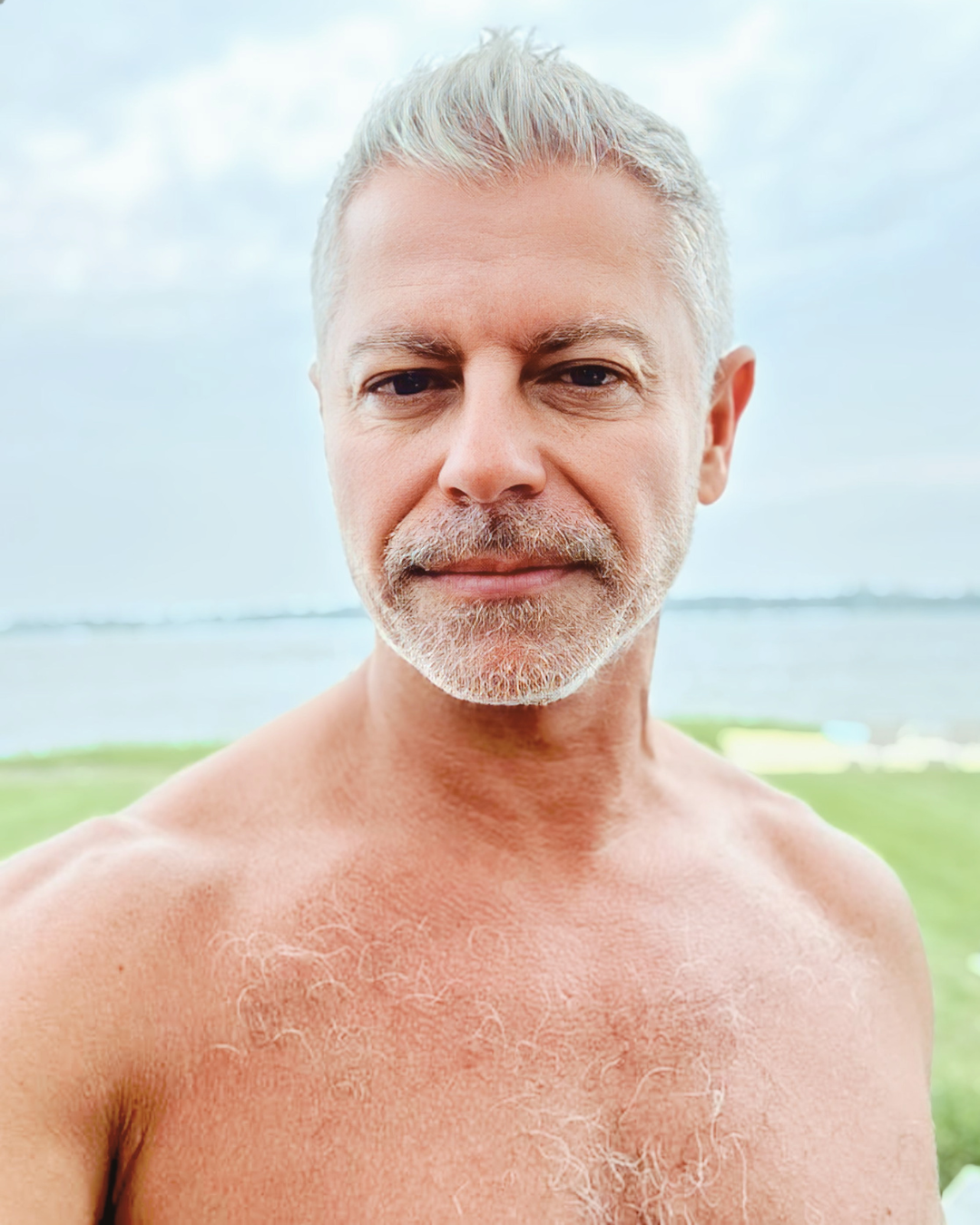
About Marko
I've spent most of my life around performance, discipline, movement, and health. That started well before I became a certified longevity coach.
My father was a professional conditioning coach in first-division European soccer, working for clubs like Real Madrid, Sporting Lisbon, and Red Star Belgrade, as well as the national team of the former Yugoslavia. Before his coaching career, he was a record-breaking athlete himself, competing in the 400m, 800m, and relay events at an international level.
Growing up around him and the soccer world shaped how I understood the body from a young age. I was a junior soccer professional in Europe, and sustained multiple injuries — including two knee surgeries — before I turned 18. Training, recovery, and the relationship between the two weren't abstract concepts to me. They were just part of life. I watched firsthand how preparation, consistency, and discipline shaped a person's long-term capacity.
I also watched the other side.
My mother had been physically active for much of her early life. A trained ballet dancer, a swimmer, a hiker, she was also a young movie actress in the former Yugoslavia. Later in life, she faced a long and difficult series of chronic illnesses: cancer, diabetes, rheumatoid arthritis, ulcerative colitis, heart disease, and ultimately complete kidney failure. She survived breast cancer and lived for many years after, but her health gradually became more complex and more limiting. Different symptoms were handled by different specialists. Medications accumulated. Side effects required more medications. Dietary restrictions became severe. The daily picture of her life contracted slowly and painfully.
I'm not sharing this to criticize her care or her choices. Medicine was different then, and the understanding of lifestyle-related health wasn't what it is today. She also received a great deal of conflicting information over the years, which made consistent decisions difficult. My father tried to apply what he knew. By the time she was ready to take his guidance seriously, her pain and energy levels made it hard to act on.
Watching that process left a deep impression on me.
I saw how confusing health becomes when there isn’t a clear picture of what's happening. I saw how chronic illness can gradually reduce independence, movement, energy, and quality of life. I saw how difficult it is for families when every new problem is treated in isolation, without enough attention to the patterns underneath.
My father lived to nearly 88. In his later years, he faced dementia and Alzheimer's, conditions we still barely understand, and passed from complications affecting his immune system and breathing. His life reminded me that longevity is about so much more than simply living longer. Preserving clarity, capability, and dignity matters far more than the number of years.
I was close to both of my parents. Their very different experiences shaped who I am and how I think about this work. Together with my own life in fitness and performance, their two stories are the reason I do what I do.
That's why I developed the S.E.N.S. framework, and that's what guides my work today.
Elite Performance and Longevity Center
Alongside my private coaching work, I co-founded Elite Performance and Longevity Center in Sarasota, Florida.
The center brings together longevity, performance, fitness, physical therapy, and medical perspectives in a more integrated setting. My role there reflects the same principles that guide my private practice: helping people understand their health more clearly, strengthen the foundations of daily performance, and take a more active role in their long-term well-being.
My private advisory work is designed for people who want personal, one-on-one guidance, whether they're outside a full clinic setting, working alongside care they already receive, or simply looking for a more structured approach before health issues become harder to manage.
The clinic and private coaching serve different needs. The underlying intention is the same.
Coaching, medicine, and the space between
Good health requires more than one kind of support. I want to be clear about where coaching fits in that picture.
Medical care is essential. Physicians, specialists, physical therapists, labs, and other licensed providers play roles that coaching cannot and should not replace. Diagnosis, treatment, prescriptions, and disease management belong with qualified medical professionals. This is not a disclaimer. It's how I actually think about this.
My work is focused on education, lifestyle strategy, accountability, and follow-through. I help you organize what you're experiencing, identify the habits and patterns that may be shaping how you feel, and become more prepared for the conversations you need to have with your healthcare providers. Most people hold pieces of the picture. Lab results, symptoms, routines, medications, wearable data, opinions from different sources. What they often need is help organizing those pieces in a way that actually supports better decisions.
When medical questions come up that are outside my scope, I'll tell you clearly, and I may point you toward the right specialty. My role is to help you become more informed, more consistent, and more capable of participating in your own health.
Who I work with
I work with people who are ready to take a more active role in their long-term health.
That includes active adults, retirees, professionals, entrepreneurs, couples, former athletes, differently-abled individuals, and people entering midlife or later life who want to stay strong, clear, mobile, and independent for as long as possible. What I'm less interested in is working with people whose only goal is to look younger, or who want to spend six days a week in the gym without thinking about anything other than getting buff. The work I do is bigger than that.
Some clients come in with specific goals — more energy, better recovery, improved strength, a clearer nutrition strategy, or help managing a chronic condition.
Others come in because something feels off, and they haven't been able to name it. Their lab results look normal. Their doctors aren't concerned. But they're persistently tired, slower to recover, less resilient than they used to be, or just not quite themselves. Their body is telling them something that hasn't yet translated into a diagnosis.
Some simply want a thoughtful plan in place before health becomes harder to manage.
The common thread is willingness. A genuine desire to feel better and live better. That's our starting point.
This work requires honesty, consistency, and a willingness to look at your habits with a clear eye. It's not suited to people looking for a quick fix or a single overnight intervention.
I work with people who want to understand their health more clearly and make sustainable changes that support the life they want to keep living.
What to expect
We start with the full picture.
Labs, lifestyle, habits, sleep, exercise, nutrition, stress, recovery, goals, and whatever health information is available and useful. From there, we identify priorities together.
We don’t just turn your life upside down and change everything. Most people do better when they understand what matters most, why it matters, and how to act on it consistently.
Over time, clients typically develop a clearer understanding of their own health patterns, more consistent routines around sleep, movement, nutrition, and recovery, better preparation for medical conversations, and stronger follow-through on the changes they've been meaning to make. The picture becomes more coherent.
Some clients bring wearable data, detailed lab results, or training history into the process. That information can be valuable when it leads to better understanding and better action. It's a means, not a destination.
I don't offer a one-size-fits-all formula. What I do offer is structure, clear thinking, practical guidance, accountability, and a process that can keep improving as long as you're willing to stay with it.
Let's talk!
If you're ready to take a more organized approach to your health, I'd like to hear about where you are.
This first conversation is an opportunity to talk through what you're experiencing, what you want to improve, and whether this kind of coaching makes sense for where you are right now.
You don't need to have everything figured out before we speak. I certainly won't have all the answers ready when we do. Most people start with questions, a general sense that something could be better, or simply a feeling that they've been going about this in too fragmented a way for too long.
That's where we start.